
Outdoor Spaces Built for Carolina Living
Custom Decks in Clayton for homeowners expanding functional outdoor living areas
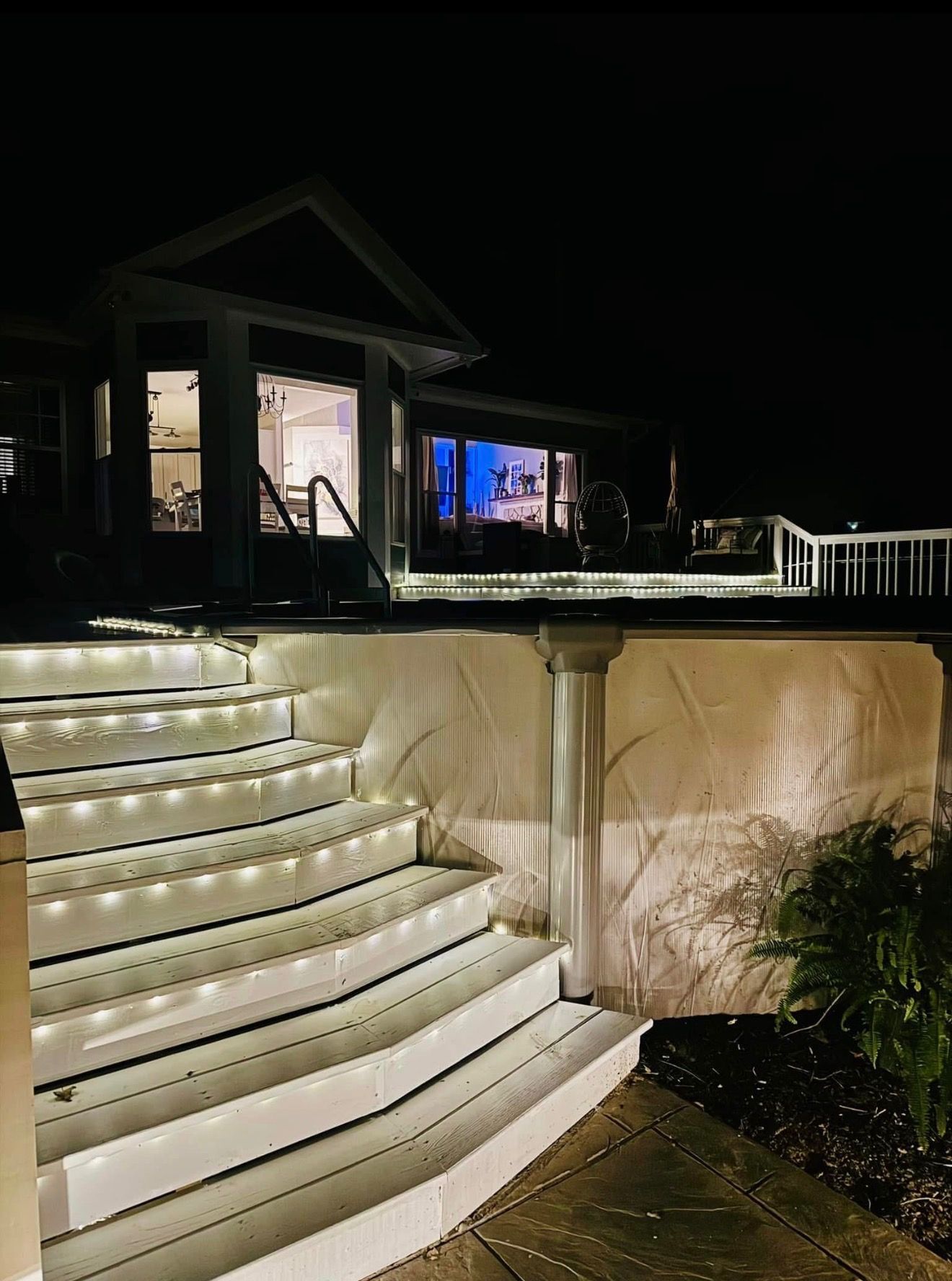
North Carolina's mild springs and long summers make outdoor living spaces functional for eight months of the year, but standard rectangular decks often miss opportunities for built-in seating, privacy screening, or transitions between yard elevations. Peak Roofing Solution LLC designs and constructs custom decks that integrate railings, benches, planters, and multi-level configurations tailored to your property's topography and how you actually use outdoor space. A well-designed deck becomes a second living room rather than just a platform outside the door.
Custom deck construction begins with site evaluation, measuring elevation changes, identifying load-bearing soil conditions, and determining how sun angles and prevailing breezes affect comfort throughout the day. Material selection involves trade-offs between wood species that age to silver-gray patinas versus composite boards that maintain color but feel hotter underfoot during summer afternoons. Framing must account for Clayton's clay soils, which shift seasonally and require deeper footings than sandy regions to prevent post heave during wet winters.
Arrange an on-site design consultation to review elevation changes, access points, and custom features for your outdoor space.
What Changes After Your Deck Is Finished
Deck design involves decisions about traffic flow, furniture placement, and how built-in elements eliminate the need for movable pieces that blow over or require seasonal storage. Corner benches with hinged seats provide storage for cushions and grilling tools while defining conversation zones. Stair placement determines whether the deck connects to a garden path, patio area, or driveway access. Railing height and picket spacing affect sight lines, you either frame a view or create privacy depending on baluster density and cap rail width.
After construction, you notice the deck feels like an extension of interior space rather than an afterthought platform. Built-in benches eliminate the need to haul chairs out of the garage for gatherings. The surface stays level without the bounce that signals undersized joists or overspanned beams. Railings feel solid when leaned against because posts are through-bolted to rim joists rather than surface-screwed. Design and rendering tools used during planning help visualize the finished space, but the difference becomes clear when you experience how sight lines, shade patterns, and traffic flow actually work in daily use.
Deck longevity depends on details invisible after completion. Joist tape over the top edge of every framing member prevents water from sitting in the screw penetrations that cause rot. Flashing where the ledger board attaches to the house keeps water from migrating behind siding into wall cavities. Composite decking expands and contracts with temperature changes, requiring specific gap spacing between boards that looks wrong during installation but prevents buckling during summer heat.
Common Questions About This Service
Homeowners planning outdoor living improvements want to understand material performance, customization options, and how design choices affect long-term satisfaction with their deck.
How do composite and wood decking compare for North Carolina climates?
Composite resists rot and insect damage without staining or sealing, but absorbs heat on south-facing exposures, while cedar and pressure-treated pine stay cooler underfoot but require maintenance to prevent weathering and splinters.
What structural differences does clay soil create for deck foundations?
Clay's expansion during wet periods and contraction during drought requires footings that extend below the frost line and seasonal movement zone, typically 30 inches deep in the Clayton area, to prevent posts from shifting.
When does a deck design require engineering approval?
Decks attached to second-story exits, elevated more than 30 inches above grade, or spanning areas without accessible ground below typically require stamped drawings and permit inspections to verify load capacity and railing strength.
What custom features add the most functional value?
Built-in benches with storage, wide cap rails that function as drink ledges, and stair landings that create entry transitions tend to see daily use, while decorative elements like post caps and skirting improve appearance without changing how the deck works.
How does deck design affect home resale value?
Well-built decks that match the home's architectural style and create genuine outdoor living space rather than just access platforms typically return 70 to 80 percent of construction cost at resale in the Clayton market.
Peak Roofing Solution LLC works through design options that fit your property's grade, exposure, and intended use patterns, using visualization tools to confirm layouts before construction begins. Request a planning session to discuss railing styles, material options, and built-in features for your custom deck project.